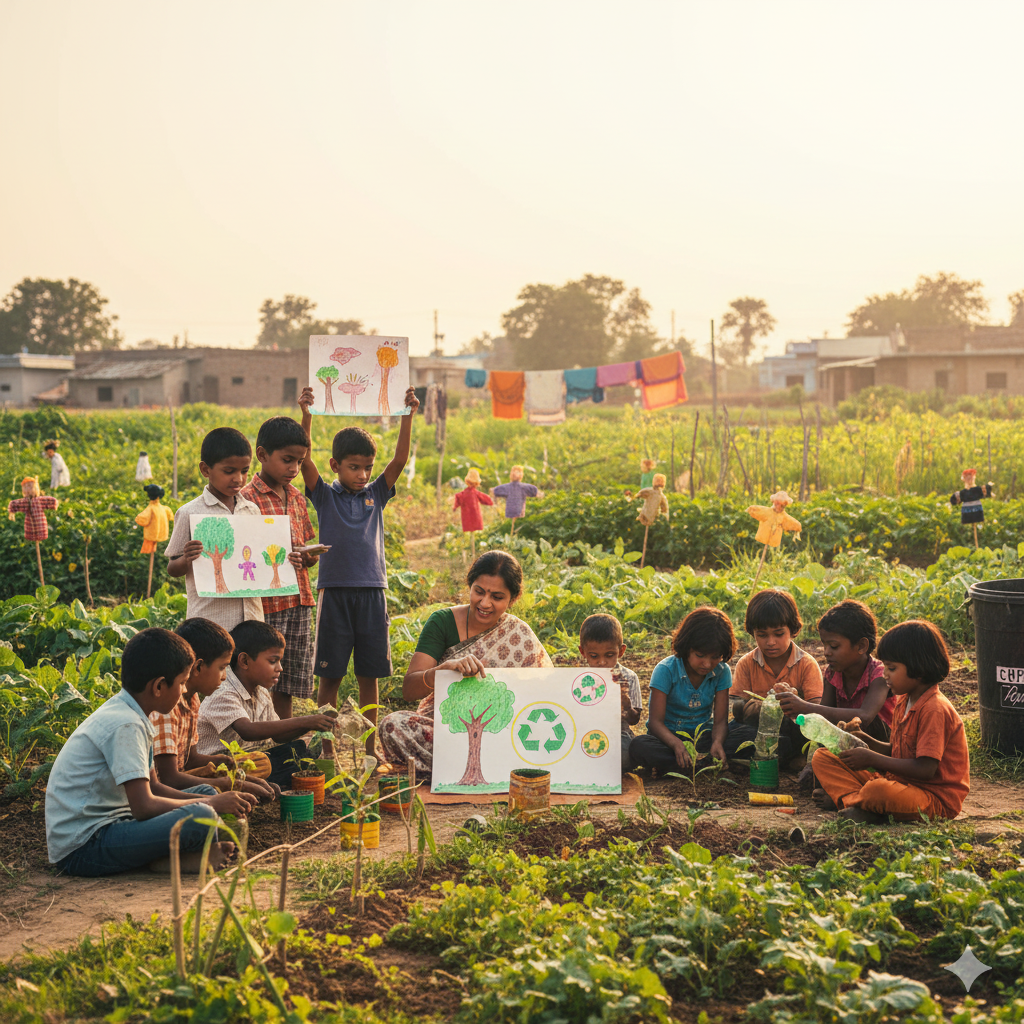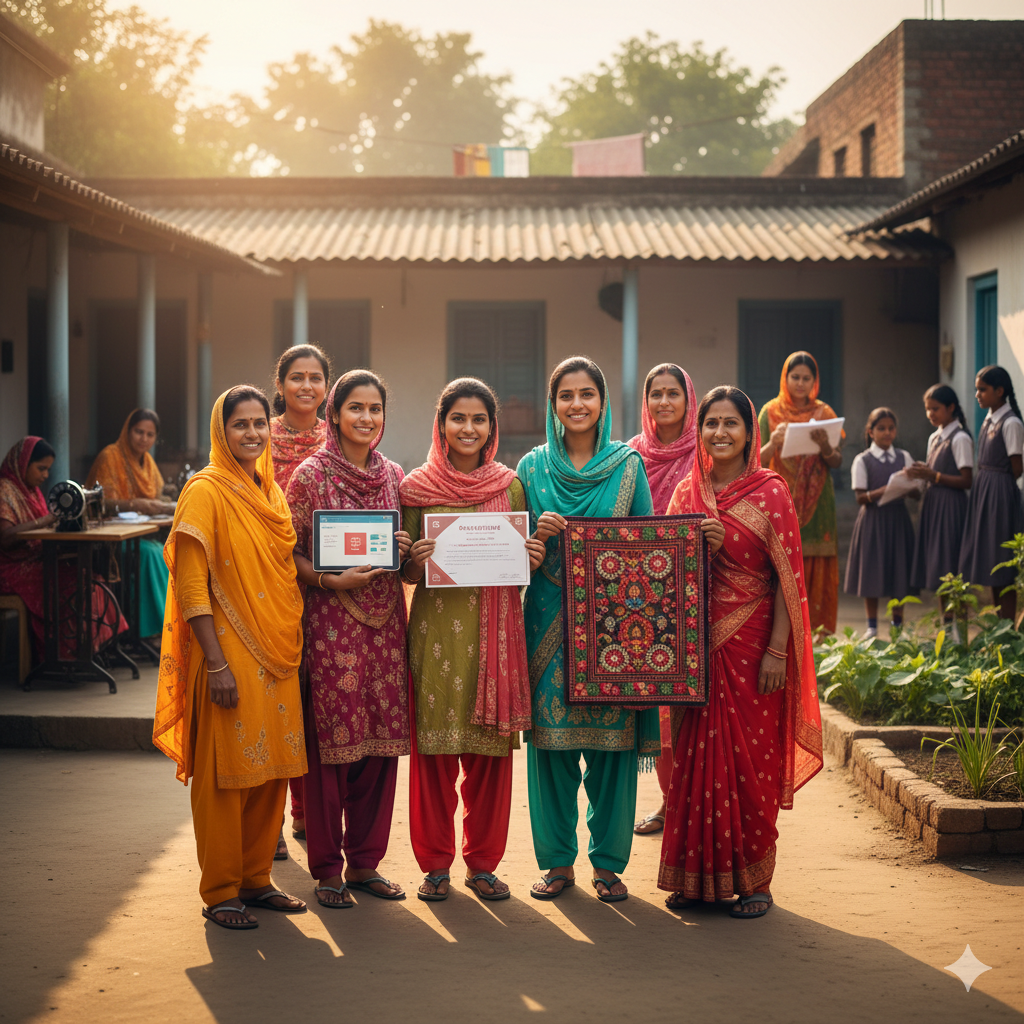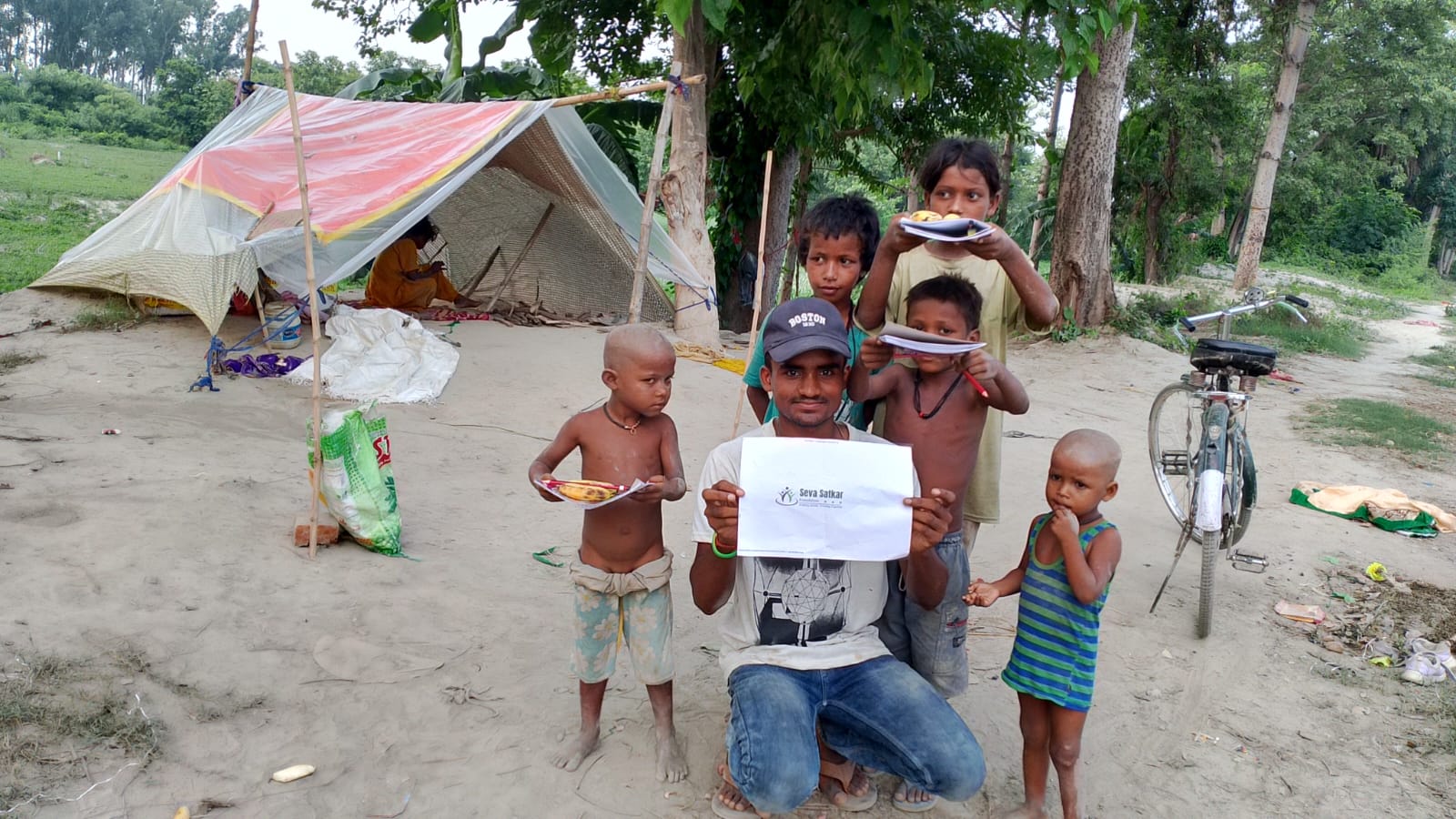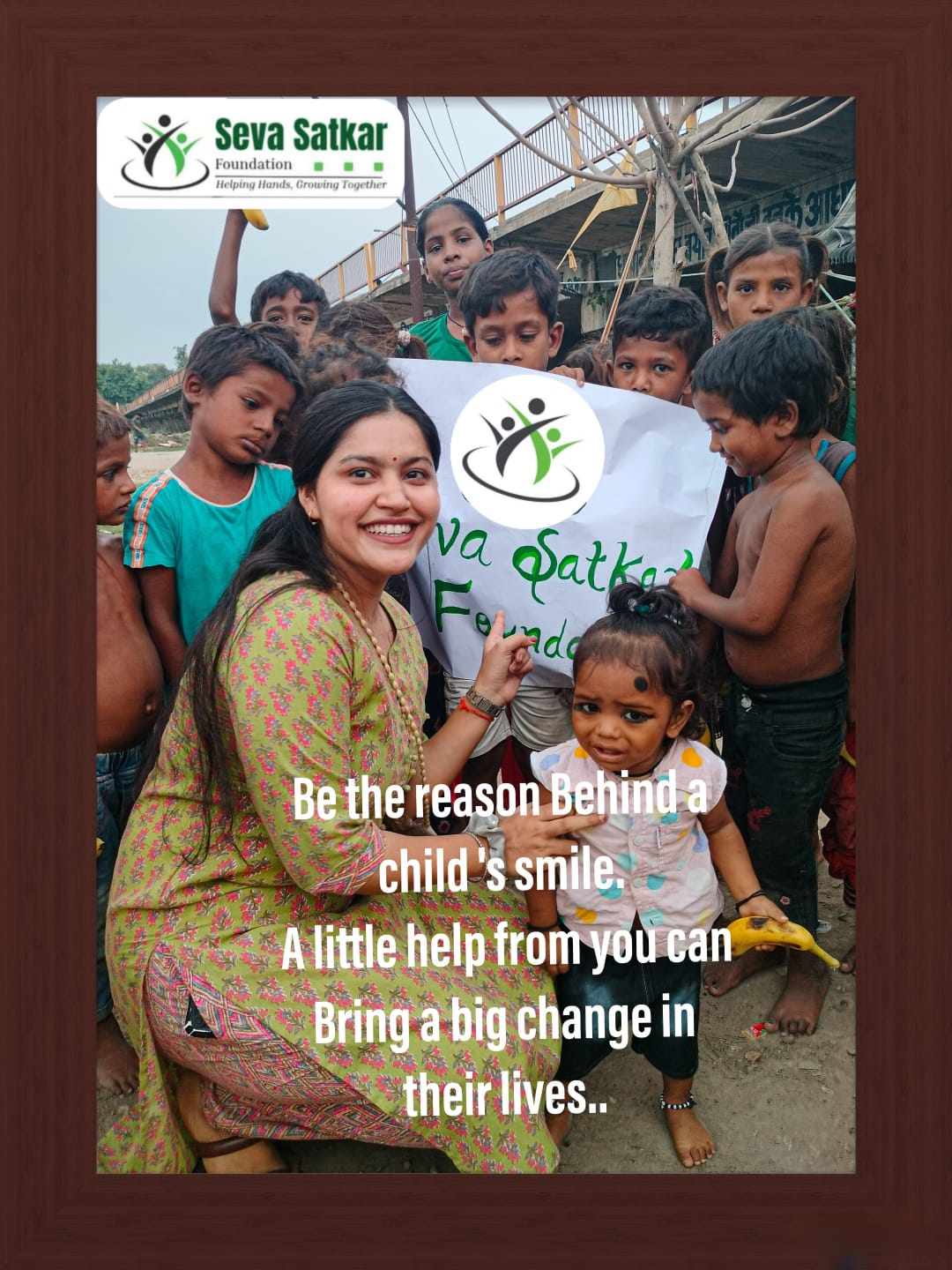
Children are the future of our world, and it is our collective responsibility to ensure they grow up in safe, nurturing environments where they can thrive. Child welfare, encompassing the protection, care, and support of children, is a vital component of any society's well-being. In this blog, we'll explore the significance of child welfare and why it's crucial for creating a better world.
1. Safeguarding Childhood: Protection from Harm
Child welfare is about shielding children from harm, abuse, neglect, and exploitation. Every child deserves to grow up feeling safe, loved, and free from fear. Organizations and agencies dedicated to child welfare work tirelessly to ensure that children are protected from harm, whether it be in their homes, schools, or communities.
2. Access to Education: Unlocking Opportunities
Quality education is a fundamental right for every child. Child welfare efforts aim to provide children with access to a proper education, irrespective of their socio-economic background. Education not only equips children with knowledge and skills but also empowers them to become informed, engaged citizens who can contribute positively to society.
3. Ensuring Health and Well-being: A Strong Foundation
Good health is the foundation of a child's well-being. Child welfare initiatives encompass healthcare access, nutrition, and mental health support. Proper healthcare ensures that children are physically and mentally healthy, allowing them to grow, learn, and play without hindrance.
4. Prevention and Early Intervention: Breaking the Cycle
Child welfare extends to prevention and early intervention. By identifying and addressing issues early, we can break the cycle of neglect and abuse. Family support services, counseling, and parenting programs play a crucial role in helping parents and caregivers provide a nurturing environment.
5. Advocacy for Policies and Rights: Influencing Change
Child welfare organizations also advocate for policies and legislation that protect children's rights and well-being. They use their voices to raise awareness about issues affecting children and push for systemic changes that benefit all children.
6. Empowering Children: Shaping Future Leaders
Empowering children is at the core of child welfare. When children are nurtured, educated, and protected, they develop self-confidence, resilience, and a sense of agency. These empowered children grow up to become leaders, innovators, and compassionate individuals who can make a positive impact on their communities and the world.
7. Building Resilient Communities: A Collective Responsibility
Child welfare is not just the responsibility of parents or caregivers; it's a collective effort. Communities, governments, and organizations must come together to create an environment where children can thrive. When children are safe and supported, communities flourish, and societies prosper.
8. Making a Lasting Impact: Get Involved
If you're wondering how you can contribute to child welfare, there are various ways to get involved:
Support Child Welfare Organizations: Contribute financially or volunteer your time and skills to organizations dedicated to child welfare.
Advocate for Change: Raise awareness about child welfare issues in your community and advocate for policies that protect and empower children.
Mentor or Volunteer: Consider becoming a mentor or volunteering with programs that support children in need.
Educate Yourself and Others: Stay informed about child welfare issues and educate others about their importance.
In conclusion, child welfare is not just a noble cause; it's a moral imperative. It's about investing in the well-being and future of our children and, by extension, the future of our world. By prioritizing child welfare and working together, we can create a brighter, safer, and more promising future for all children.